Zeflya: A Modern Textured Font for Creative Branding Projects
I recently opened a new brand board for a local artisan bakery looking for a fresh visual identity. The brief called for something warm, inviting, and handcrafted—yet modern enough to appeal to younger urban customers. I reached for Zeflya Font Brushee, a script font I’d downloaded a few weeks earlier but hadn’t yet tested in a real project. I dropped it into the logo concept and immediately felt a shift in the overall tone. Zeflya has a certain textured elegance that feels both refined and approachable, like a handwritten note from a friend who also happens to be a typography nerd.
What Makes Zeflya Stand Out?
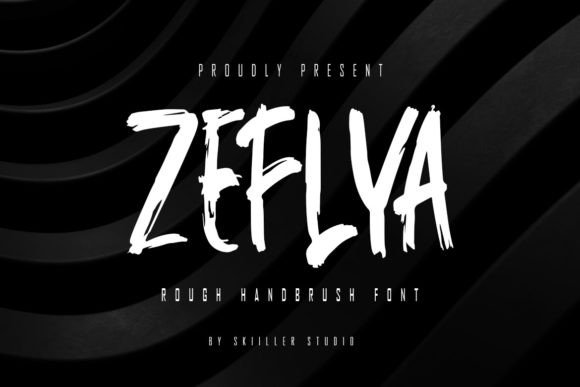
Zeflya is a modern textured script font that blends brushstroke imperfections with clean, intentional design. It’s not overly ornate, but it carries enough character to stand out in display settings. The font has a slightly uneven baseline, giving it a hand-drawn feel, and the texture applied to each letter adds depth without overwhelming readability—at least at a reasonable size.
It’s the kind of font that works well in branding projects where warmth and personality are key. I found it particularly effective for the bakery’s logo, where it helped convey a sense of authenticity and craftsmanship. The texture also played nicely with mockups of kraft paper packaging and rustic signage. Zeflya isn’t a workhorse font for long paragraphs, but as a display or headline typeface, it shines.
Real-World Use: Logo, Packaging, and Web Design
After testing Zeflya on the logo, I carried it over to the brand board to see how it would hold up across different touchpoints. On a packaging mockup for custom cookie boxes, it looked great in a muted brown ink on textured cardstock. The font’s slight irregularities helped it blend well with the organic materials, and the texture added a tactile quality that translated well even in digital previews.
When I placed it on the homepage hero section of the bakery’s website mockup, it held its own against a soft background image of a sunlit kitchen. I paired it with a clean sans serif for body text, which created a nice visual hierarchy without clashing. On social media layouts, Zeflya worked especially well for short phrases like “Handmade with Love” or “Fresh Bakes Daily,” where it added a personal, artisanal touch.
Pairing Zeflya with Other Fonts
Font pairing is always a critical part of brand identity work, and Zeflya benefits from thoughtful combinations. I found it worked best when contrasted with a minimalist sans serif like Montserrat or Lato, which grounded the design and balanced out the script’s expressive nature. For a more editorial feel, I tried it with a serif like Playfair Display, and that worked well too—especially for printed materials like menus or recipe cards.
It’s important not to overdo it with decorative fonts when using Zeflya. Since it’s already a textured script, pairing it with anything too stylized can create visual noise. Stick to clean, structured typefaces for secondary text to let Zeflya take center stage where it belongs.
Where Zeflya Excels—and Where It Doesn’t
Zeflya shines in short-form, high-impact applications: logos, signage, packaging, social media headers, posters, and branding assets where visual appeal matters more than extended readability. Its textured brushstroke style gives it a unique charm, but that same texture can become distracting at smaller sizes or in longer blocks of text.
I wouldn’t recommend Zeflya for formal corporate use, technical documents, or any application where clarity and uniformity are essential. It’s also not ideal for body copy in editorial design or web content. That said, as a headline font or accent typeface, it brings a level of warmth and personality that’s hard to match with more sterile alternatives.
What to Check Before Using Zeflya Commercially
Before finalizing the bakery’s brand identity, I made sure to double-check the licensing for Zeflya. Like any commercial font, it’s important to verify that the license covers all intended uses—especially for client work involving packaging, merchandise, websites, and print-on-demand products.
Zeflya Font Brushee comes with standard webfont support and multiple file formats, which made it easy to integrate into both print and digital deliverables. It also includes a good selection of alternates and ligatures, which helped me customize the logo and promotional text without repeating the same letterforms. Multilingual support was sufficient for the project, though I’d recommend checking character sets carefully for international branding needs.
Final Thoughts: A Designer’s Take
Overall, Zeflya is a strong contender in the world of modern textured script fonts. It’s versatile enough for a wide range of creative projects—from food posters to music covers—and brings a tactile, handcrafted feel that digital fonts often lack. I appreciated how it performed across different branding elements, especially when used as a logo font or headline typeface.
If you’re working on a boutique identity, a café rebrand, handmade shop visuals, or any design that benefits from a warm, organic aesthetic, Zeflya is definitely worth testing. Just remember to preview it in your actual layouts, especially at the sizes and resolutions you’ll be using, and always confirm licensing before delivery.