Wild Animal: A Handwritten Font That Brings Elegance to Branding Projects
Starting Fresh with Wild Animal on a Blank Brand Board
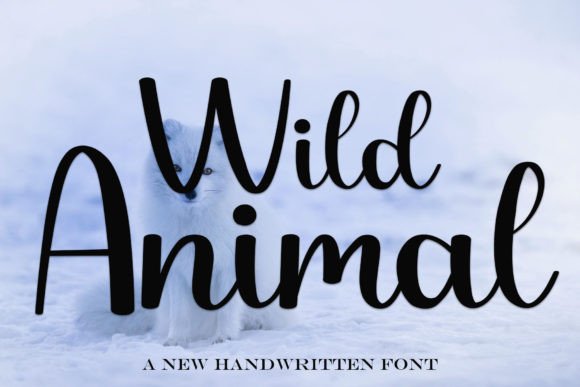
There’s something both exciting and intimidating about opening a blank brand board for a new project. The possibilities feel endless, but the pressure to choose the right visual elements is real. Recently, I was working on a brand identity for a small artisanal tea shop that wanted a look that felt warm, personal, and just a little whimsical. As I browsed through my font library, I landed on Wild Animal—a neat and beautiful handwritten font that immediately caught my eye with its elegant touch and timeless charm.
Testing Wild Animal in Logo Design
The first test was in the logo. I wanted something that felt handcrafted, not overly polished. I typed out the shop’s name in all caps using Wild Animal and was instantly drawn to how each letter flowed into the next with a soft, natural rhythm. The font’s slight bounce and delicate serifs gave it a personality that felt both approachable and refined—perfect for a cozy, plant-filled tea shop tucked into a quiet corner of the neighborhood.
What stood out most was how well the font held up at different sizes. On a small business card mockup, the letters remained legible and crisp. Even on a large storefront sign mockup, the style didn’t lose its elegance or become too overwhelming. It’s definitely a font that works best as a display font or logo font, where its character can shine without compromising readability.
Using Wild Animal in Packaging and Product Labels
Once the logo direction was approved, I moved into packaging design. The shop wanted custom tea boxes and label stickers that would feel consistent with the brand’s personality. I used Wild Animal for the flavor names and small taglines like “Hand-Blended with Care” and “Locally Sourced Ingredients.”
Because the font has a slightly condensed structure, it worked well in tight spaces without feeling cramped. I made sure to pair it with a clean sans-serif for longer descriptions to maintain visual hierarchy. The contrast between the handwritten charm of Wild Animal and the modern simplicity of the supporting typeface created a balanced, professional look.
How Wild Animal Performs in Digital and Print Marketing
From social media graphics to printed flyers, Wild Animal translated beautifully across mediums. On Instagram posts, it gave the brand a friendly, personal feel—especially when used for short phrases or callouts. I found that using it in website headers also helped guide the viewer’s eye without being too flashy.
In print, the font held up well in both high-resolution and standard print settings. I made sure to test it at different sizes and on various backgrounds—cream paper, kraft brown labels, and even translucent vellum. The font’s even weight and clear letterforms ensured it remained legible and visually appealing in every context.
Font Pairing Tips with Wild Animal
One of the best parts of working with Wild Animal was figuring out how to pair it with other fonts. Since it’s a script font with a handwritten personality, I wanted to balance it with something more structured. I ended up pairing it with a soft serif for body text and a modern sans-serif for subheadings. This combination gave the brand identity a layered, yet cohesive look.
- Pair with a serif font for a classic, elegant feel.
- Use a sans-serif font to create contrast and modernity.
- Combine with another script font sparingly for a more playful or romantic tone.
Because Wild Animal is so expressive, I recommend using it as an accent font or headline font rather than for long blocks of text. It’s ideal for short-form content like slogans, quotes, or product names where you want to create a visual impact.
Practical Design Observations and Real-World Use
One of the biggest lessons I learned while using Wild Animal was the importance of testing it in real-world applications before finalizing the brand system. I created a few mockups of the tea boxes, business cards, and social media templates to see how the font performed in different contexts. I also made sure to check the font’s included styles—there were several alternates and ligatures that added variety without disrupting the brand’s consistency.
I also appreciated that Wild Animal came with multilingual support and was available in common file formats like OTF and TTF, which made it easy to install and use across different design platforms. For client work, I always double-check the commercial font licensing to make sure the font can be used in all deliverables. Wild Animal was fully licensed for commercial use, which made it a safe and reliable choice.
Final Thoughts: When and How to Use Wild Animal in Branding
If you’re working on a brand identity for a boutique, café, creative studio, or artisanal product line, Wild Animal could be the perfect addition to your typography toolkit. It’s a premium font that brings personality and elegance to any design without feeling overdone. Whether you’re crafting a logo, designing packaging, or creating digital templates, this script font adds a human, handcrafted touch that resonates with audiences.
As with any font, it’s important to test it in different applications before committing. Try it in multiple mockups, pair it with different typefaces, and see how it looks in both print and digital formats. Wild Animal is more than just a handwritten font—it’s a versatile design asset that can elevate your creative projects when used thoughtfully.