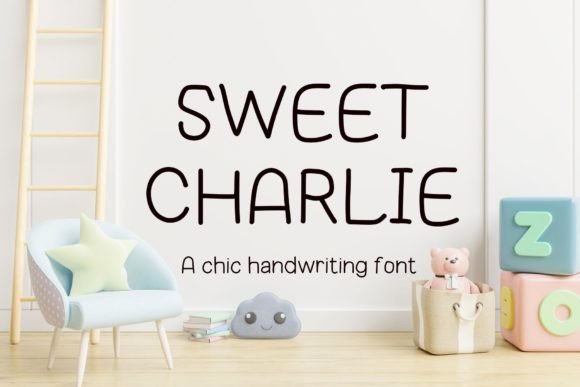
Sweet Charlie Font: A Designer’s Secret for Polished Branding
Refreshing a Café Menu with Sweet Charlie
Recently, I helped a local café update their menu design. They wanted something that felt warm, approachable, and just a little bit fancy—without looking like every other coffee shop in town. We tried a few fonts, but nothing quite landed until we tested Sweet Charlie. This Script Amp font brought a soft elegance to the menu that matched the café’s vibe perfectly. It wasn’t too busy, but still had personality—like a handwritten note from a good friend.
What Makes Sweet Charlie Stand Out
Sweet Charlie is a script font with a smooth, flowing style that feels both modern and timeless. It has the warmth of a handwritten typeface, but with the polish of professional design. The strokes are balanced, the curves are gentle, and it carries a friendly yet refined tone. Whether used for a bakery logo or a boutique tag, this font feels intentional and stylish without being over the top.
It’s the kind of display font that works best in short bursts—logos, headlines, packaging titles, or social media captions. It’s not ideal for long paragraphs, but that’s exactly what makes it shine as a design accent. When used thoughtfully, it adds a touch of class to any visual material.
Real-World Uses That Make a Difference
One of the best parts of working with Sweet Charlie is how versatile it is across different branding materials. Here are a few examples of where it made a real impact:
- Product labels for a candle brand—gave the packaging a boutique feel with a handwritten warmth.
- Instagram templates for a wellness coach—added a personal, approachable tone to digital content.
- Thank-you cards for a small bakery—matched the handwritten charm of the brand while looking clean and professional.
- Online shop banners for a handmade soap seller—helped the brand feel more established and trustworthy.
Every time, the font helped elevate the design from “just okay” to “polished and intentional.”
Why Typography Matters for Small Brands
Typography is one of the most overlooked parts of branding—but it’s also one of the most powerful. Think about it: your customers see your font before they even read your message. The right typeface can make your brand feel luxurious, playful, trustworthy, or modern—just through the shape of the letters.
Sweet Charlie leans into that power by offering a soft, approachable style that feels personal and professional at the same time. It helps small businesses look more consistent and intentional without needing a full rebrand. And consistency in design builds trust, which is exactly what growing brands need.
Design Tips for Using Sweet Charlie
Here are a few practical tips I’ve learned from using Sweet Charlie across different projects:
- Pair it with simple fonts: To keep your design from getting too busy, pair Sweet Charlie with a clean sans serif like Montserrat or Lato. This contrast makes your text more readable and visually balanced.
- Use it for short text: It works best for headlines, logos, and short phrases. Avoid using it for body copy or long descriptions, especially in printed materials like menus or packaging tags.
- Check readability on small formats: When using Sweet Charlie for product labels or stickers, make sure the text is large enough to read easily. The flourishes can get lost at very small sizes.
- Test on mobile screens: If you’re using the font in Instagram stories or online banners, preview it on a phone. You want it to look elegant but still legible on smaller displays.
Font Features That Make It Business-Ready
When I recommend a font to clients, I always check what’s included. Sweet Charlie comes with multiple file formats, including OTF and TTF, which makes it compatible with most design software. It also includes alternates and ligatures, which let you customize the look slightly depending on how formal or casual you want the text to feel.
It supports multiple languages, which is great for businesses with international customers or multilingual branding. And importantly, it comes with a commercial license—so it’s safe to use on product packaging, merchandise, and client work without worrying about legal issues later.